Introduction to Piano Tuning
As a homeowner in Bountiful, UT, you might have a piano that serves as both a musical instrument and a cherished piece of your home's decor. Regular piano tuning is essential to maintain its sound quality and structural integrity. However, many people find the technicalities of piano tuning intimidating. In this guide, we break down the process into simple terms to help you understand what tuning involves and why it's important.
What is Piano Tuning?
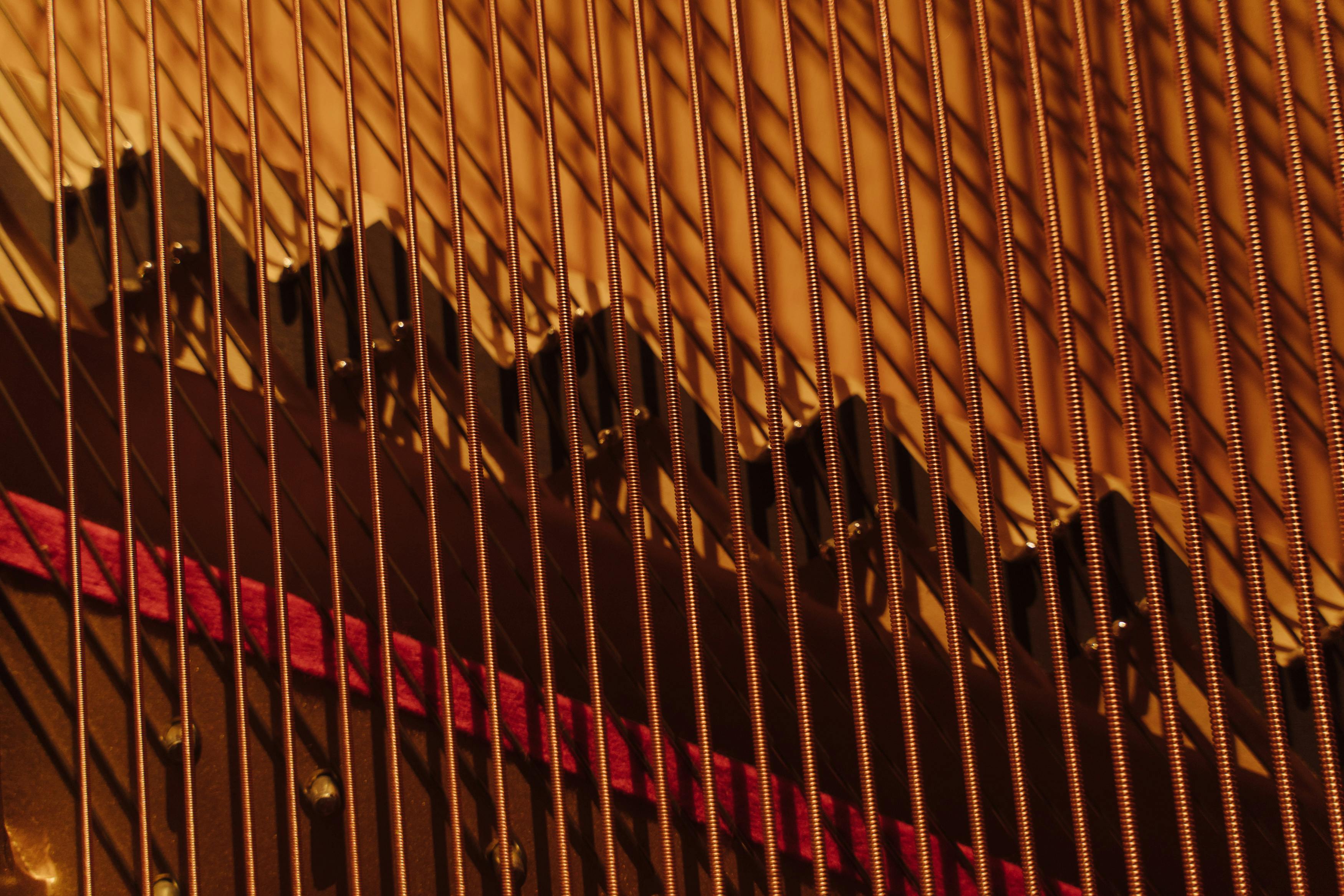
Piano tuning is the process of adjusting the tension of the piano's strings to ensure that each note sounds in perfect harmony with the others. A piano consists of around 230 strings, and each string must be adjusted precisely to achieve the standard pitch. This is typically done by a professional piano technician using specialized tools.
Why Do Pianos Go Out of Tune?
Pianos go out of tune for a variety of reasons, including changes in humidity and temperature, the frequency of use, and the natural stretching of strings over time. In Bountiful, UT, where the climate can vary significantly between seasons, it's especially important to keep your piano in tune to accommodate these changes.
The Tuning Process Explained
The tuning process involves several steps to ensure your piano sounds its best:
- Assessment: The tuner begins by assessing the current pitch of the piano compared to a standard pitch, usually A440 (the note A above middle C at 440 Hz).
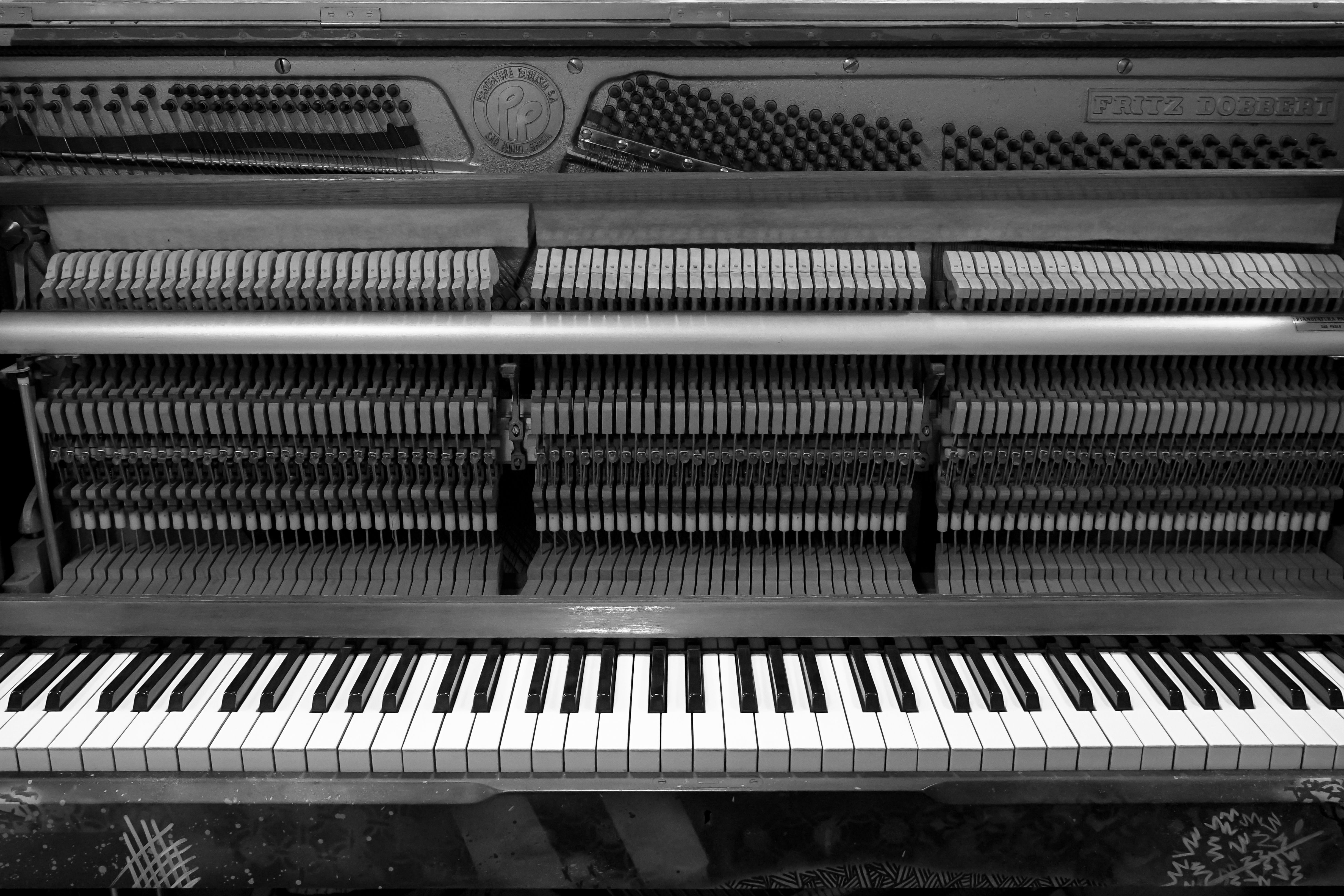
- Adjusting the Pins: Each string is attached to a tuning pin. The tuner uses a tuning hammer to adjust these pins, tightening or loosening the strings as necessary.
- Listening and Testing: Tuners use their trained ears, along with electronic tuning devices, to ensure each note is in harmony with the others.
- Fine-Tuning: Once the initial tuning is complete, the piano is played through to identify any remaining discrepancies, which are then corrected.
How Often Should You Tune Your Piano?
For optimal performance, it's recommended to tune your piano at least twice a year. However, if your piano is used frequently or subjected to fluctuating environmental conditions, more frequent tuning might be necessary. Regular tuning not only maintains sound quality but also prolongs the life of the piano by preventing damage caused by overly loose or tight strings.
Choosing the Right Piano Technician
When selecting a piano technician, look for someone with experience, certification, and a good reputation. Ask for recommendations from local music schools or read reviews online. At Piano by Darren, we pride ourselves on our expertise and commitment to providing excellent service to the Bountiful community.
Conclusion
Understanding the basics of piano tuning can help you appreciate the care that goes into maintaining your instrument. Regular tuning by a professional ensures your piano remains a beautiful and functional part of your home for years to come. If you have any questions or would like to schedule a tuning, don't hesitate to contact us at Piano by Darren—your trusted piano servicing partner in Bountiful, UT.
Contact Us
For more information or to schedule a tuning, visit our website or call us directly. We're here to help you keep your piano in perfect harmony.